
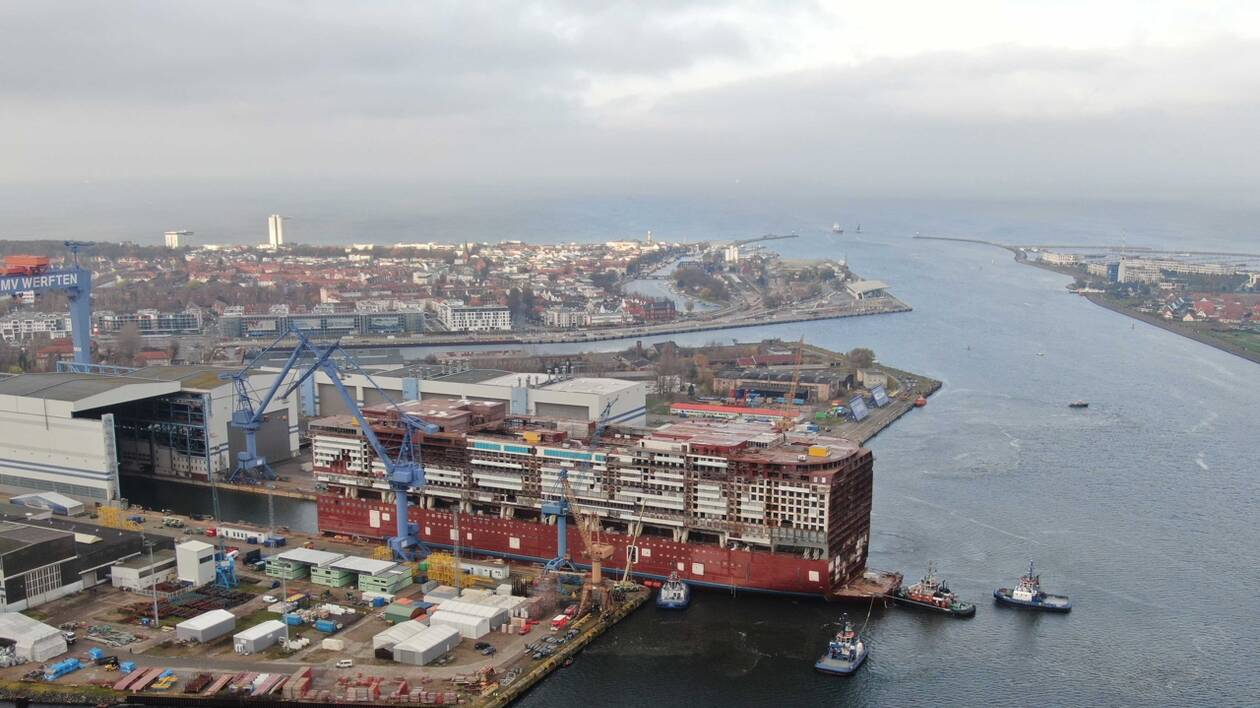
Грецькі судна і міжнародне співробітництво
Greek vessels have played a significant role in the development of maritime trade and international cooperation. Famous for their seafaring traditions, the Greeks have long been at the forefront of shipping and naval advancements. One notable example is the Грецькі судна і міжнародне співробітництво Andros King, which exemplifies the quality and capability of Greek ships. This article delves into the history of Greek shipping, the importance of its vessels in the global trade network, and how international collaboration enhances maritime endeavors.
The Rich History of Greek Shipping
The history of Greek shipping can be traced back to ancient times when the Greeks were pioneers in maritime exploration. From the era of Homeric epics to the Middle Ages, Greek sailors traversed the Mediterranean, establishing trade links and cultural exchanges with various civilizations. The strategic geographical location of Greece, situated at the crossroads of Europe, Asia, and Africa, contributed to its prominence as a maritime power.
During the late 19th and early 20th centuries, the Greek shipping industry experienced a renaissance, largely due to significant investments from wealthy Greek shipowners and diaspora communities. The adoption of steam-powered vessels transformed the shipping landscape, allowing for faster and more efficient transport of goods across the globe. This period marked the beginning of Greece’s modern shipping fleet, which has grown to be one of the largest in the world.
Modern Greek Shipping and its Global Impact
Today, Greek-owned ships account for a substantial portion of the world’s commercial fleet. The Greek shipping industry is known for its high-quality standards, innovative technologies, and commitment to safety and environmental regulations. Greek ships are often recognized for their durability and efficiency, which contribute to their competitiveness in the international market.
Moreover, Greek maritime operators are heavily involved in global shipping operations, providing essential services in transport and logistics. The expertise of Greek shipowners extends beyond trading goods; they contribute to shipbuilding, maintenance, and maritime insurance, fostering economic growth both domestically and internationally.
International Cooperation in the Maritime Sector
One of the key aspects of the Greek shipping industry is its focus on international cooperation. Greece participates actively in various international maritime organizations, including the International Maritime Organization (IMO) and the European Community Shipowners’ Associations (ECSA). These collaborations aim to improve safety standards, environmental protection, and operational efficiencies in shipping.
Shipping is a global endeavor, and Greek shipowners collaborate with counterparts from different countries to enhance operational synergies. This cooperation often translates into shared training programs, joint ventures in research and development, and coordinated responses to maritime challenges, such as piracy and climate change.
Environmental and Technological Innovations
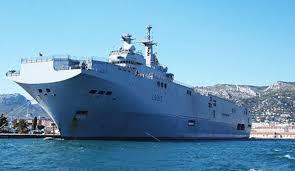
In recent years, there has been a strong emphasis on sustainability within the Greek shipping industry. As global awareness of environmental issues has increased, Greek shipowners and operators have been at the forefront of adopting greener technologies and practices. The industry is embracing innovations such as eco-friendly engines, fuel-efficient hull designs, and advanced navigation systems to reduce their carbon footprint.
Collaboration among shipbuilders, research institutions, and international organizations plays a critical role in advancing these technological innovations. Greek shipping companies are not only investing in new technologies but also participating in cooperative initiatives aimed at developing solutions to the environmental challenges posed by maritime activities.
Conclusion: The Future of Greek Shipping and International Cooperation
The significance of Greek vessels in the context of international cooperation cannot be overstated. As Greece continues to build on its rich maritime heritage, the combination of historical knowledge, modern expertise, and collaborative spirit positions the country as a leader in global shipping.
Going forward, the focus will likely shift towards enhancing maritime education and training, fostering innovation, and addressing emerging challenges such as digitalization and environmental sustainability. The trajectory of the Greek shipping industry will remain closely linked to international partnerships, which will be vital in navigating the complex and evolving maritime landscape.